
Last Updated: October 23, 2026
Quick Summary
Supplements for muscle growth work best when combined with resistance training and adequate nutrition. The most effective options are whey protein isolate for recovery, creatine monohydrate for strength and muscle mass, and pre-workout blends for training performance.
- Whey protein isolate delivers 18-19g of protein per scoop at $1.50-2.50 per serving for post-workout recovery.
- Creatine monohydrate costs $0.10-0.25 per serving and increases strength and muscle mass within 2-3 weeks.
- Aim for 20-40g of protein within 2-3 hours after your workout to maximize muscle protein synthesis.
- Total daily protein intake of 0.7-1g per pound of body weight matters more than post-workout timing.
- Third-party testing verifies product contents and absence of banned substances for supplement safety.
Table of Contents
- Best Supplements for Muscle Growth: Quick Comparison
- How We Selected These Supplements
- Best Protein Powder for Muscle Gain
- Best Creatine for Muscle Growth
- Pre-Workout and Amino Acid Supplements for Training Performance
- Supplements for Muscle Recovery
- Safety, Testing, and What to Avoid
- Realistic Expectations and Cost Per Serving
- Frequently Asked Questions
Best Supplements for Muscle Growth: Quick Comparison
Building muscle requires two things: resistance training and adequate nutrition. Supplements fill the gaps that food alone often leaves behind. At Sigma Fitnezz, we provide resources to help fitness enthusiasts navigate the crowded supplement market to find what actually works.
The challenge isn't finding supplements for muscle growth. It's finding the ones backed by evidence, dosed correctly, and worth the cost. This guide covers the supplements that move the needle on muscle mass and strength, how to use them properly, and which ones to skip.
Supplement |
Best Use |
Cost Per Serving |
|---|---|---|
Post-workout recovery |
$1.50-2.50 |
|
Creatine Monohydrate |
Strength and muscle mass |
$0.10-0.25 |
Pre-Workout Blend |
Training performance |
$1.50-2.00 |
Plant-Based Protein |
Recovery (dairy-free) |
$1.50-2.00 |
Amino Acid Stack |
Circulation and endurance |
$0.50-0.75 |
How We Selected These Supplements
Real talk: most supplement guides list everything under the sun and call it comprehensive. We took a different approach. Our selection focused on three criteria that actually matter.

First, evidence. We prioritized supplements with research supporting their role in muscle protein synthesis, strength gains, or recovery. That ruled out dozens of trendy options with minimal scientific backing.
Second, dosage and timing. A supplement only works if you use it correctly. We included practical guidance on how much to take, when to take it, and for how long. Many people waste money on products they're using wrong.
Third, cost-effectiveness. Some supplements deliver results at a reasonable price. Others charge premium prices for marginal benefits. We called out both.
Best Protein Powder for Muscle Gain
Protein is non-negotiable for muscle growth. Your muscles repair and grow through muscle protein synthesis, a process that requires amino acids from dietary protein (ncbi.nlm.nih.gov). If you're not hitting your daily protein target through food alone, a quality protein powder bridges that gap efficiently.
The best protein powder for muscle gain delivers high protein content per serving with minimal filler, mixes cleanly, and tastes good enough that you'll actually drink it consistently. That last part matters more than people admit. A powder that sits in your cabinet isn't helping anyone.
Whey Protein Isolate vs. Whey Blend vs. Plant-Based
Whey protein isolate is the purest form of whey available. It contains roughly 90% protein by weight, with most lactose and fat removed during processing. This makes it ideal if you're tracking macros closely or have mild lactose sensitivity. Sigma Fitnezz offers Pure3 100% Whey Protein Isolate in vanilla and chocolate, delivering 18-19g of protein per scoop at $49.86 per container.
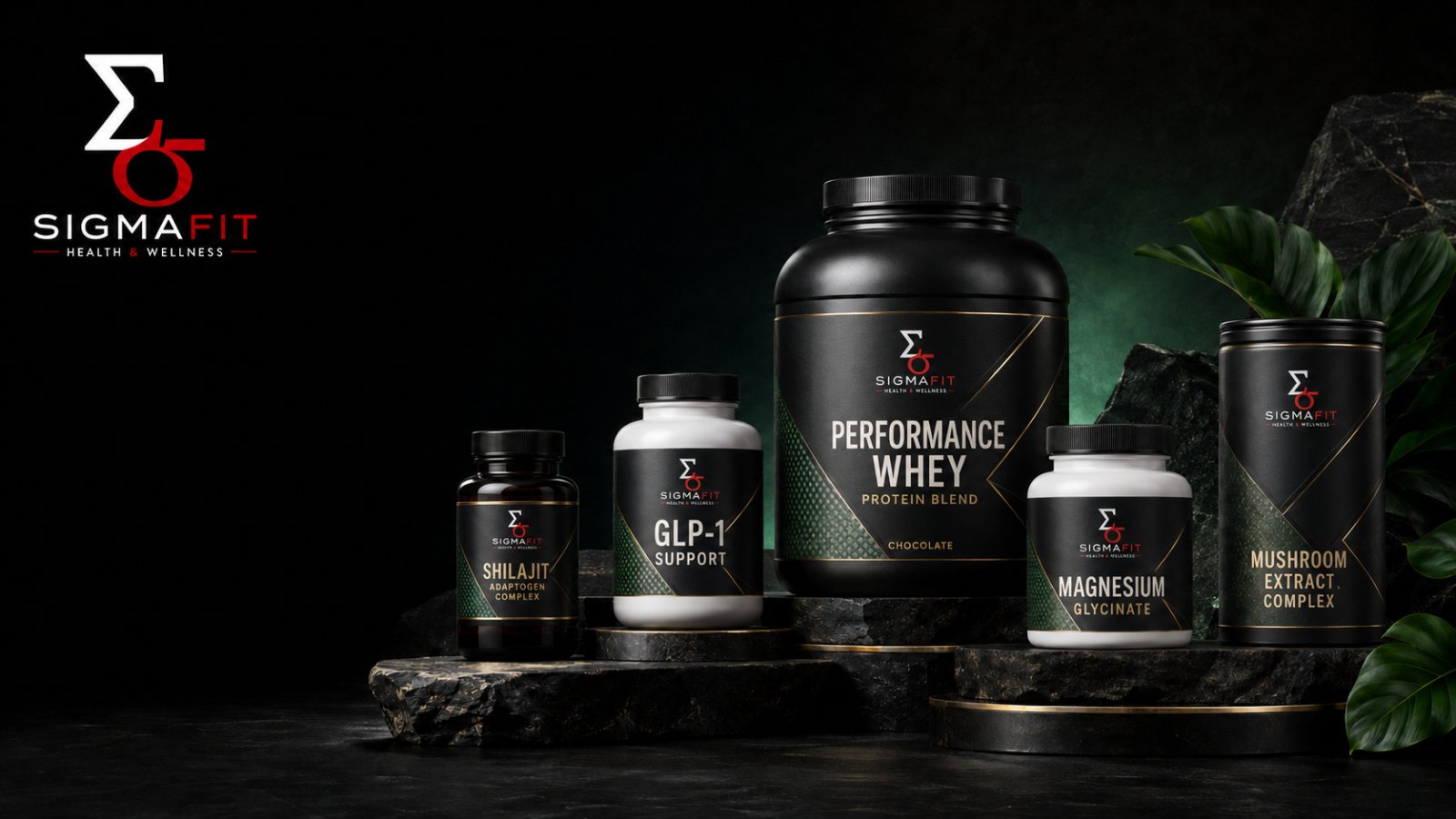
Whey protein blends combine whey isolate with whey concentrate, reducing cost while keeping protein content high. They typically deliver 20-22g of protein per serving with added fiber from resistant potato starch. The Performance Whey Protein Blend from Sigma Fitnezz provides 22g of protein per serving at $55.00, making it a solid middle ground between pure isolate and basic concentrates.

Plant-based protein uses fava bean and fermented yeast protein to deliver a complete amino acid profile without dairy. Sigma Fitnezz's Plant Protein delivers 21g per serving at just 110 calories, ideal for those avoiding dairy or following a vegan diet. It includes MCT oil for quick energy and apple pectin for digestive support.
How Much Protein After a Workout
The post-workout window gets overstated in fitness circles, but timing does matter. Your muscles are primed for protein synthesis for several hours after training, not just the 30 minutes some guides suggest.
Aim for 20-40g of protein within 2-3 hours after your workout. This amount maximizes muscle protein synthesis without excess. More protein doesn't accelerate growth further. A single scoop of whey protein isolate (18-20g) combined with a carbohydrate source works well. If you're eating a full meal within an hour after training, a separate protein shake isn't necessary, the meal provides sufficient amino acids.
The real mistake people make isn't timing. It's total daily protein intake. Hitting 0.7-1g of protein per pound of body weight daily matters far more than whether your shake arrives 30 minutes or 90 minutes post-workout. Consistency beats perfection.
Best Creatine for Muscle Growth
Creatine monohydrate is the most researched supplement in existence. Decades of studies confirm it increases strength, muscle mass, and training performance when combined with resistance training. It works by increasing phosphocreatine availability in muscles, which supports ATP production during high-intensity exercise.

The best creatine for muscle growth is creatine monohydrate. Fancier forms (creatine ethyl ester, buffered creatine, liquid creatine) claim advantages, but research doesn't support meaningful differences. Monohydrate works, costs less, and has the longest track record. Sigma Fitnezz offers Creatine Monohydrate at $33.90 for 250g, providing roughly 50 servings at standard dosing.
Dosage and Loading Phases
The standard approach uses two phases: loading and maintenance. During the loading phase, take 20g daily (divided into 4 doses of 5g) for 5-7 days. This saturates your muscle creatine stores quickly. After loading, take 3-5g daily to maintain elevated levels.
Some people skip the loading phase and take 3-5g daily from day one. Results arrive slower (2-3 weeks instead of 5-7 days), but the endpoint is identical. Choose based on preference. Sigma Fitnezz's creatine product suggests one scoop in 8oz of water, four times daily during loading, then one to two times daily after.
Mix creatine in juice or a carbohydrate drink rather than plain water. The carbs and insulin response improve creatine uptake into muscle cells, making it slightly more effective.
Who Should Avoid Creatine
Creatine is safe for most people, but certain groups should consult a healthcare professional first. Anyone with kidney disease or elevated creatinine levels should avoid it without medical clearance. Creatine increases creatinine levels (a kidney function marker), which can complicate diagnosis if you have existing kidney issues.
People taking certain medications, particularly those affecting kidney function or blood pressure, should check with their doctor. Pregnant or nursing women should avoid it due to limited safety data. Anyone under 18 should consult a parent and healthcare provider before using creatine, though it's generally considered safe for adolescent athletes.
Pre-Workout and Amino Acid Supplements for Training Performance
Pre-workout supplements boost energy, focus, and endurance during training. They work through a combination of stimulants (caffeine), vasodilators (arginine, citrulline), and performance enhancers (beta-alanine, taurine).
Sigma Fitnezz's Nitric Shock Pre-Workout Powder combines 23 nutrients including dicreatine malate for lean muscle, arginine AKG for circulation, beta-alanine for ATP enhancement, and caffeine for energy. At $38.90 per container, it delivers roughly 10 servings. Take 1-2 scoops 30 minutes before training.
Amino acid stacks like Sigma Fitnezz's L-Citrulline & L-Arginine Stack support circulation and oxygen delivery to working muscles. These compounds help the body produce nitric oxide, which improves blood flow and nutrient delivery. Take two capsules daily with water. At $39.99 for 60 capsules, it's a cost-effective way to support endurance and recovery without stimulants.
The key difference: pre-workout supplements provide immediate energy and focus for your session. Amino acid stacks work over time to support circulation and recovery. Stack them together for complementary effects, or use separately depending on your training schedule and caffeine tolerance.
Supplements for Muscle Recovery
Recovery supplements support the muscle repair process that happens between training sessions. The most effective options address protein synthesis, reduce inflammation, and replenish depleted nutrients.
Protein powder remains the cornerstone of recovery supplementation. Beyond protein, supporting supplements include branched-chain amino acids (BCAAs) for muscle preservation during fasting or intense training, and compounds supporting circulation like the L-citrulline and L-arginine blend mentioned above.
Many recovery supplements claim to reduce muscle soreness. Adequate protein, sleep, and managing training volume are important for recovery. Focus on protein quality and consistency.
Safety, Testing, and What to Avoid
Supplement quality varies dramatically. Some products contain undisclosed ingredients, banned substances, or contaminants. Third-party testing separates trustworthy brands from risky ones.
Sigma Fitnezz products are manufactured in the USA with quality controls in place.
Avoid supplements making disease claims. Legitimate supplements support health and performance.
Also avoid products with vague ingredient lists or proprietary blends hiding actual doses. You should know exactly how much of each active ingredient you're taking. Transparent labeling is a sign of a trustworthy brand.
Realistic Expectations and Cost Per Serving
Supplements aren't magic. Combined with consistent resistance training and adequate protein intake, they accelerate results. Alone, they're expensive placebos.
A realistic timeline: creatine shows measurable strength gains within 2-3 weeks. Protein powder supports muscle growth over weeks and months of consistent training. Pre-workout supplements deliver immediate performance boosts during your session. None of these work without the fundamentals in place.
Cost-effectiveness matters when comparing options. Whey protein isolate at $49.86 for roughly 24 servings equals about $2.08 per serving. Creatine monohydrate at $33.90 for 250g (roughly 50 servings) costs about $0.68 per serving.
Many people waste money stacking supplements they don't need. Start with protein powder and creatine. Add pre-workout if you struggle with energy during training. Add amino acid support if you're training fasted or doing multiple sessions daily.
Building muscle requires patience, consistency, and the right tools. Start with the basics, stay consistent, and measure progress over weeks and months, not days. Start Here with Sigma Fitnezz and build the foundation for sustainable muscle growth.
Frequently Asked Questions
What is the best supplement for muscle growth?
Protein powder and creatine monohydrate are the two most evidence-backed supplements for muscle growth. Whey protein isolate supports muscle protein synthesis when paired with resistance training, while creatine increases strength and lean mass over time. Most people see the best results combining both with consistent training and adequate daily protein intake. Your choice depends on your diet, training intensity, and budget.
How much protein should you take after a workout?
Aim for 20-40 grams of protein within 2 hours post-workout to support muscle recovery and growth. This amount is sufficient to stimulate muscle protein synthesis. A single serving of whey protein isolate (19-22g) or protein blend covers this target. Timing matters less than total daily protein intake, which should be 0.7-1 gram per pound of body weight for muscle building.
Does creatine help build muscle?
Yes. Creatine monohydrate increases strength and lean muscle mass when combined with resistance training. It works by increasing ATP availability in muscles, allowing you to perform more reps or lift heavier weight. Most people take 3-5 grams daily after an initial loading phase (20 grams spread over 5-7 days). Results typically appear within 4-6 weeks of consistent use.
Are muscle-building supplements safe to take every day?
Quality supplements like whey protein, creatine monohydrate, and amino acids are safe for daily use when taken as directed. Consult a healthcare provider if you have kidney disease, are pregnant, nursing, or under 18. Pre-workout supplements contain caffeine and should not exceed recommended doses. Avoid products without transparent ingredient lists.
Can you build muscle without supplements?
Yes, you can build muscle through diet and training alone. Whole foods like chicken, eggs, Greek yogurt, and beans provide all necessary amino acids and protein. Supplements simply make it more convenient to meet your daily protein target (0.7-1g per pound of body weight) and save time. They are tools, not requirements—consistency with training and nutrition matters far more than which products you choose.
